We came from real film sets. Here is how we work now.
A studio of creative thinkers and makers — the craft we brought from real sets, the tools in rotation, which of them a brand is actually cleared to use, and what the brands already doing this have shipped.
We spent fifteen years on real film sets across Asia Pacific. Call sheets, permits, a crew of forty standing in a car park at five in the morning waiting for the light. Work for McDonald's, Pepsi and Huawei came out of that, and so did campaigns that had to earn attention with no media budget behind them at all. None of it was made with a model. All of it is the reason the work we make now holds up.
What changed is the tooling. What did not change is knowing whether a scene is working. A studio in this era is not a person with a subscription — it is the same judgment that ran a set, pointed at a different set of instruments, by people who can still tell good from nearly good.
“AI is part of the craft. Not the starting point.”
Taste is the part that does not come in the box
A model will give you a competent frame on request. It will not tell you the frame is boring. It will not notice that the light is coming from nowhere, that the silhouette reads as mush at thumbnail size, or that the cut lands two beats late. Those are the judgments that decide whether a film is worth anyone's attention, and they are learned on sets and in edit suites rather than in a prompt box.
So the generation is the fast part and never the job. Across the work on this site, Midjourney touched most of it and Photoshop touched two thirds — a hand on a wacom after the model had finished, fixing a seam that reads wrong, a hairline that drifts between frames, a reflection that belongs to no light in the scene. That step appears in no demo, and it is most of the difference between a frame that survives a client review and one that does not.
2/3
of the work here went through hand retouching after the model had finished with it. Modern craft is still craft.
What we actually run
Eighteen tools are in rotation, and the honest framing is that the list is a snapshot rather than a credential. Midjourney and Flux for stills. Seedance, Runway Gen‑4, Kling and Higgsfield for motion. Magnific and Topaz for resolution. Photoshop and After Effects for the repair and the finish. ElevenLabs for voice, Premiere and CapCut for the cut, ChatGPT and Claude in the writing and the planning.
Expect that paragraph to be wrong within two quarters, because it always is. A brand is not buying access to a subscription it could open itself in ten minutes; it is buying the judgment about which of them to reach for on a Tuesday, and the willingness to absorb the churn so nobody on the client side has to track it.
And whether you are allowed to use any of it
This is the question procurement asks and almost nobody answers. At contract stage only one thing matters: if a rights holder makes a claim, who pays. The rest is creative preference. We track it properly because a beautiful film a client's counsel will not clear is not a deliverable.
The short version. Google Veo has the cleanest enterprise posture of any frontier model — named on Google's indemnified services page, though only through the enterprise API and only on GA model versions, not preview models and not the consumer app. Runway indemnifies on its Enterprise plan only, and that coverage extends to other labs' models hosted there. And the cheapest strong model on the board can be the one you cannot touch: MiniMax H3's open weights carry a licence excluding the US, the EU, the UK and South Korea outright, which is not a technicality a Singapore studio can shrug at when the film runs in Germany.
We have written both of these up at length — which models are actually cleared for commercial work and the open-weight licence trap. Practitioner notes, not legal advice, and we will say which is which in a meeting.
This is not an experiment any more
The useful question is no longer whether AI belongs in brand work, but who has already shipped it and survived the reviews. Promise put more than five hundred AI-generated shots into Harlan Coben's Final Twist season two, which premiered on CBS in October 2026 with a credit trail. Coca-Cola's holiday films ran through Silverside AI and Secret Level with around a hundred people involved. Svedka's Super Bowl LX spot was the first primarily AI-generated national Super Bowl ad. Toys"R"Us premiered an origin film at Cannes made with Sora before public access.
Not all of it was cheap, and that is the point — most of those took real crews and real months. We keep a running ledger of what each studio has shipped against what it has announced, because announcements get repeated until they read as output.
Two kinds of work are on this site, and we will tell you which is which
Some of it is client work, credited. Some of it is ours, built to prove a pipeline before we were willing to sell it to anyone. The couture sequences, the cinematic sets, the fashion series exist because we wanted to know whether a garment could hold its own shape across twenty frames before we promised a brand that it could.
We would rather say that plainly than let a spec piece pass for a campaign. Ask us which is which in a meeting and you will get a straight answer.
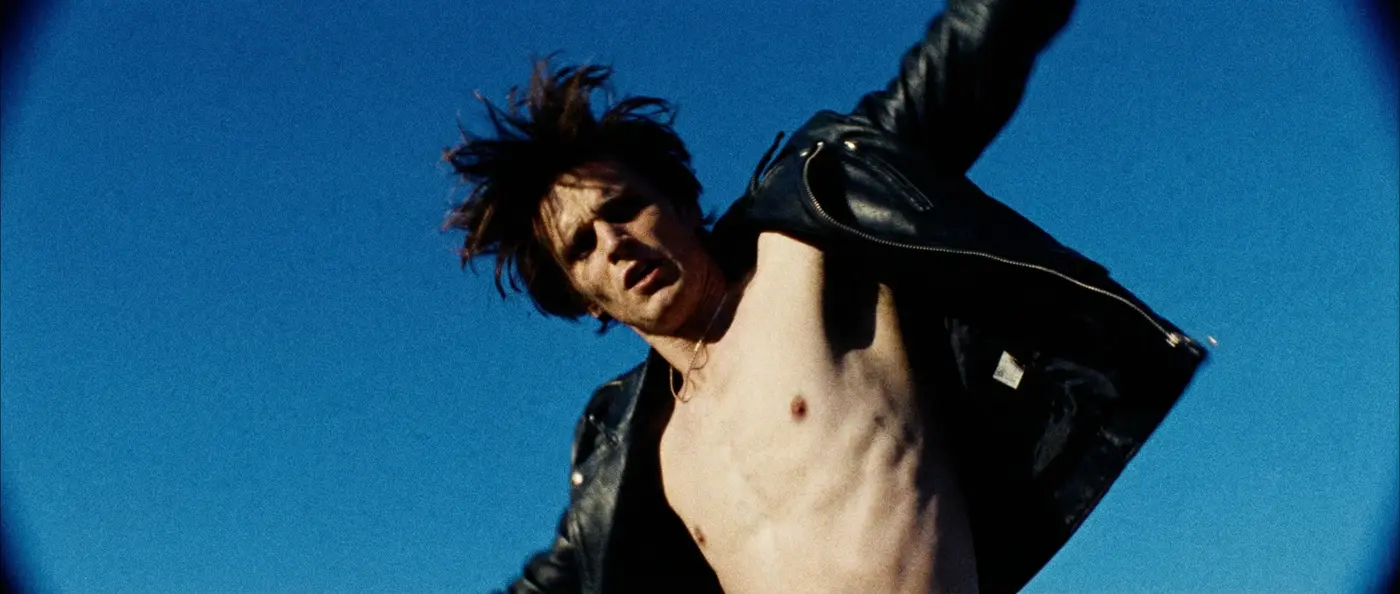
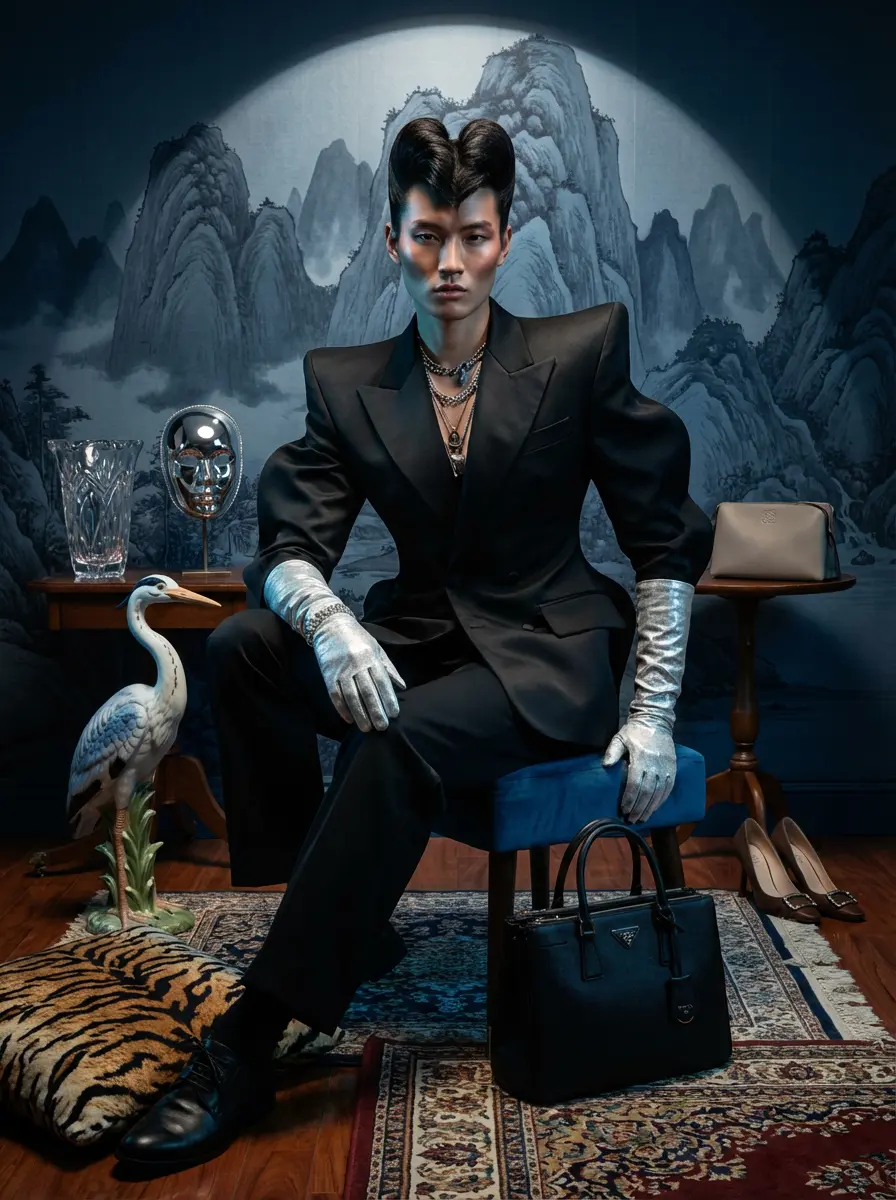
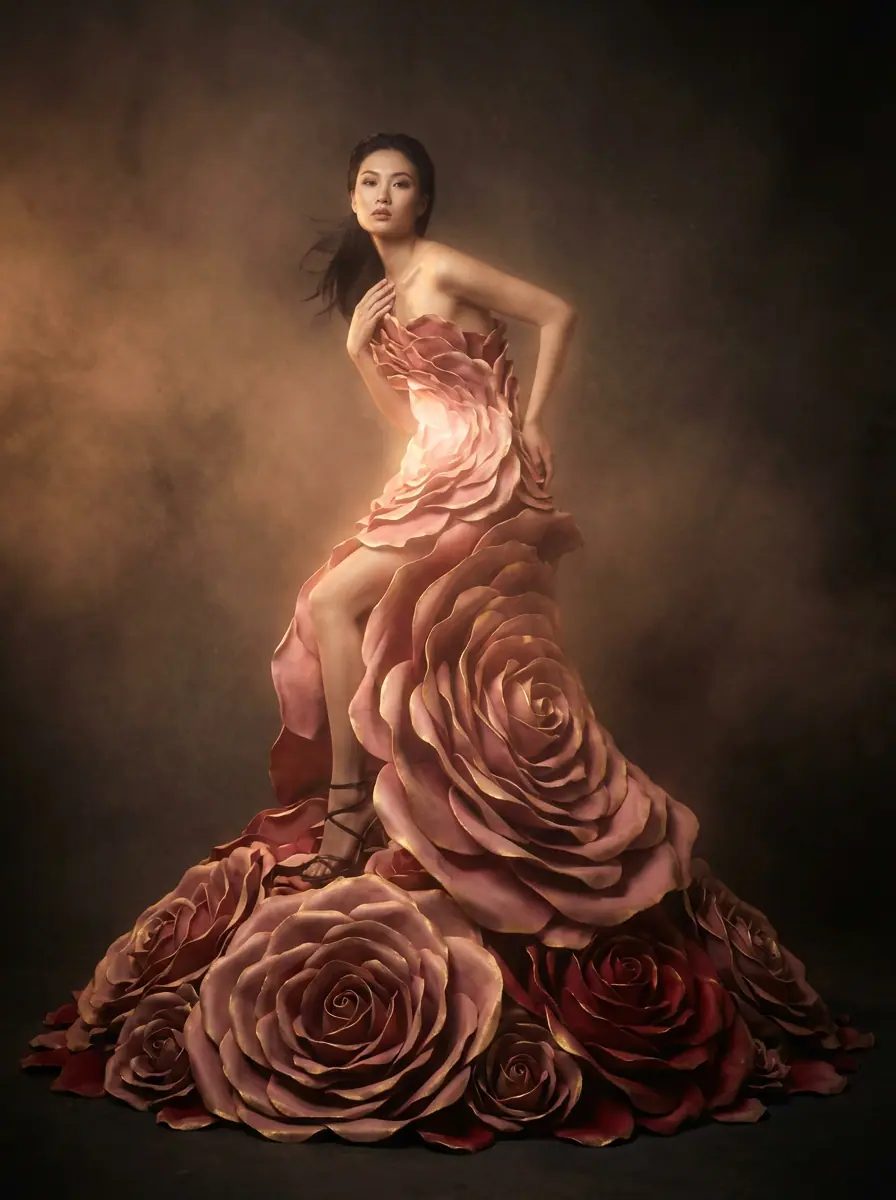
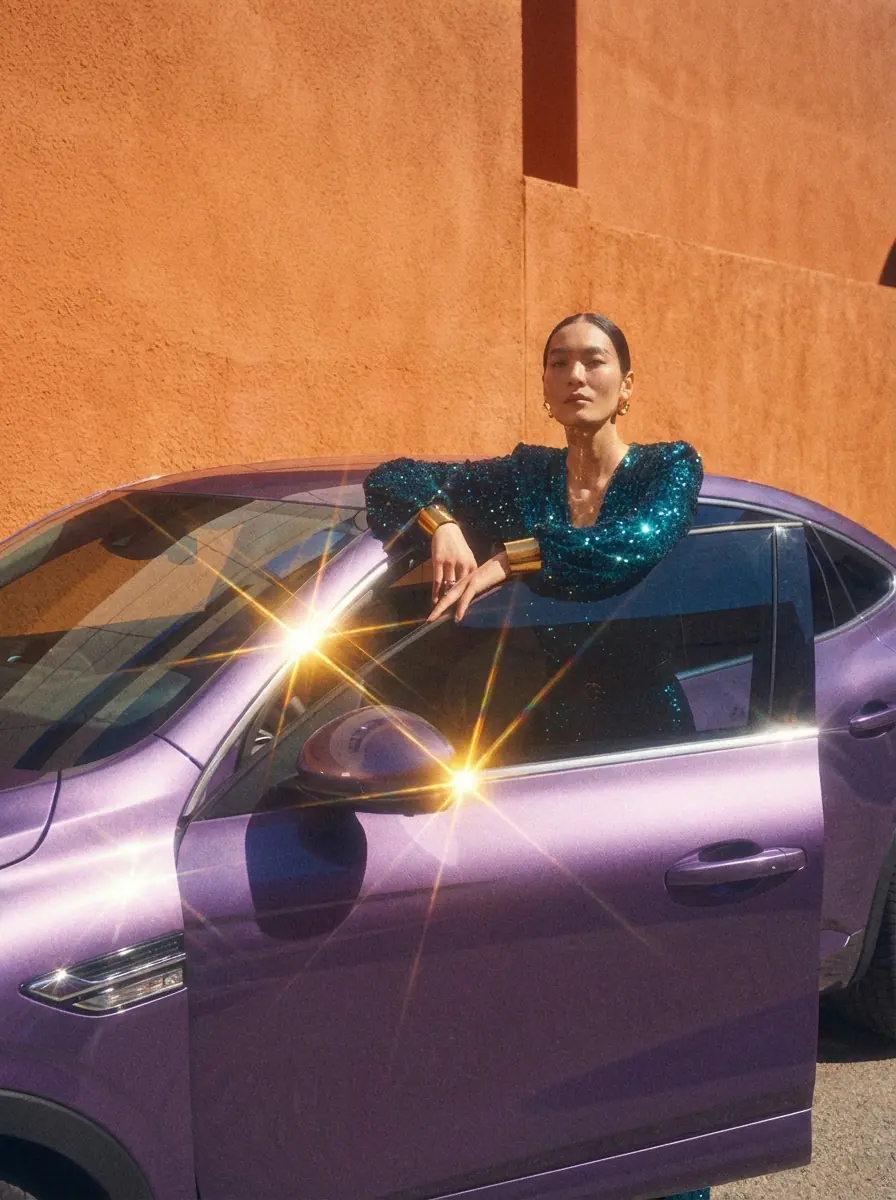
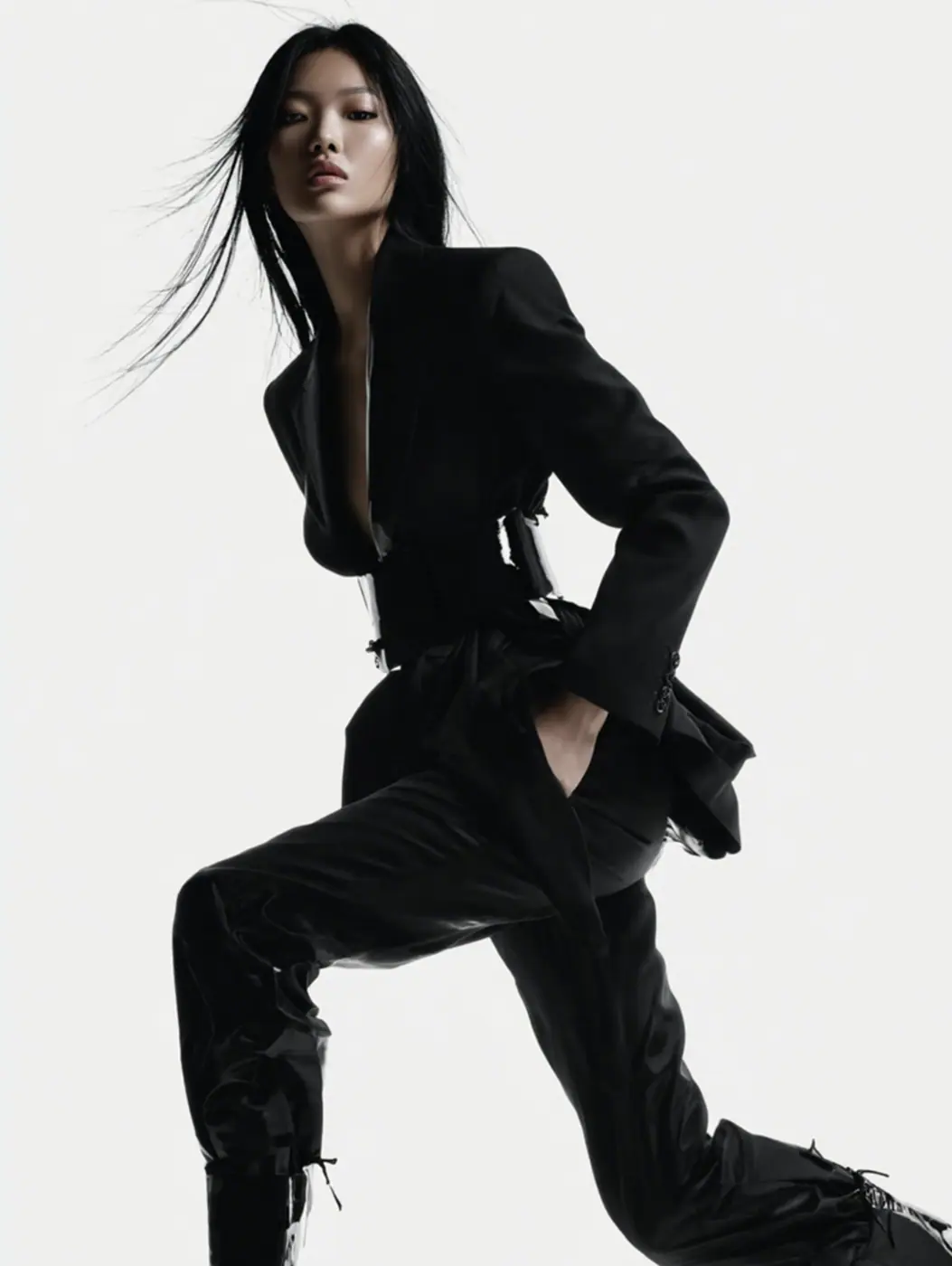
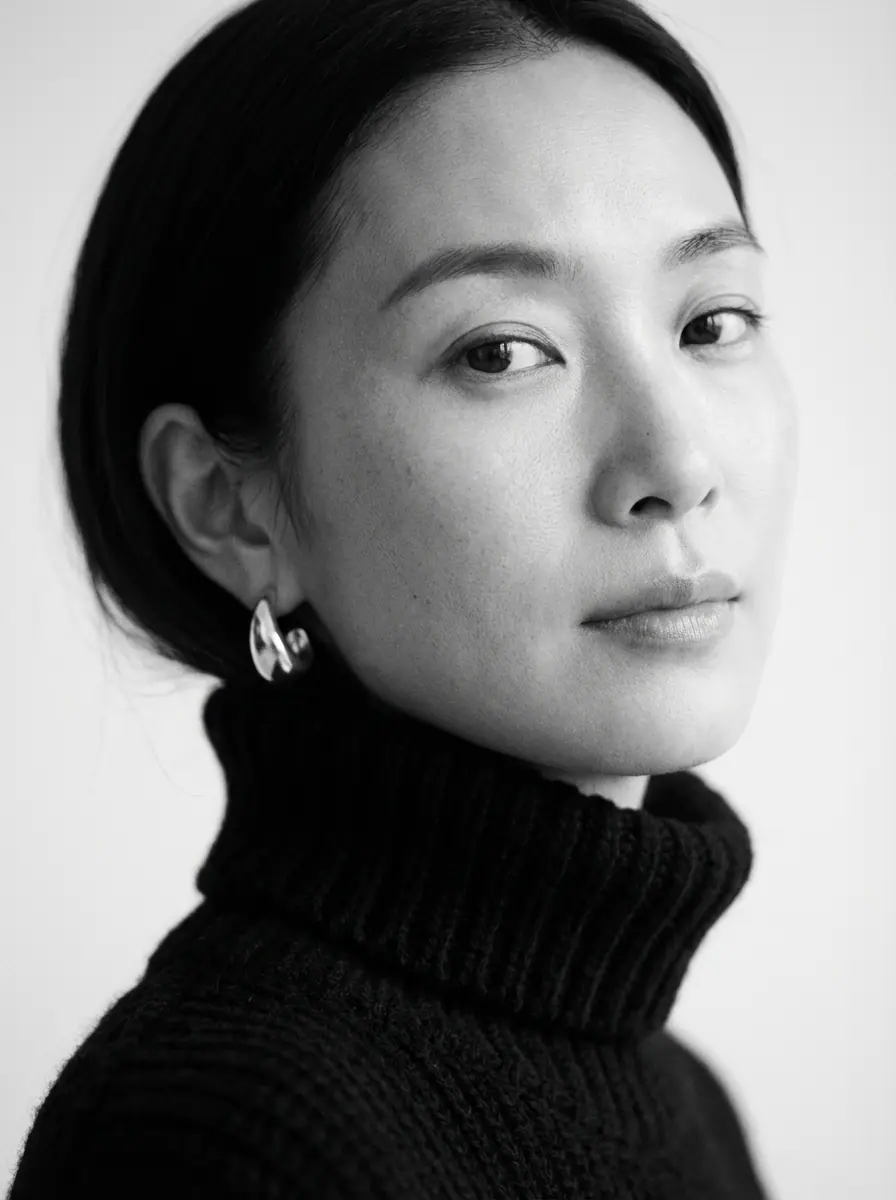
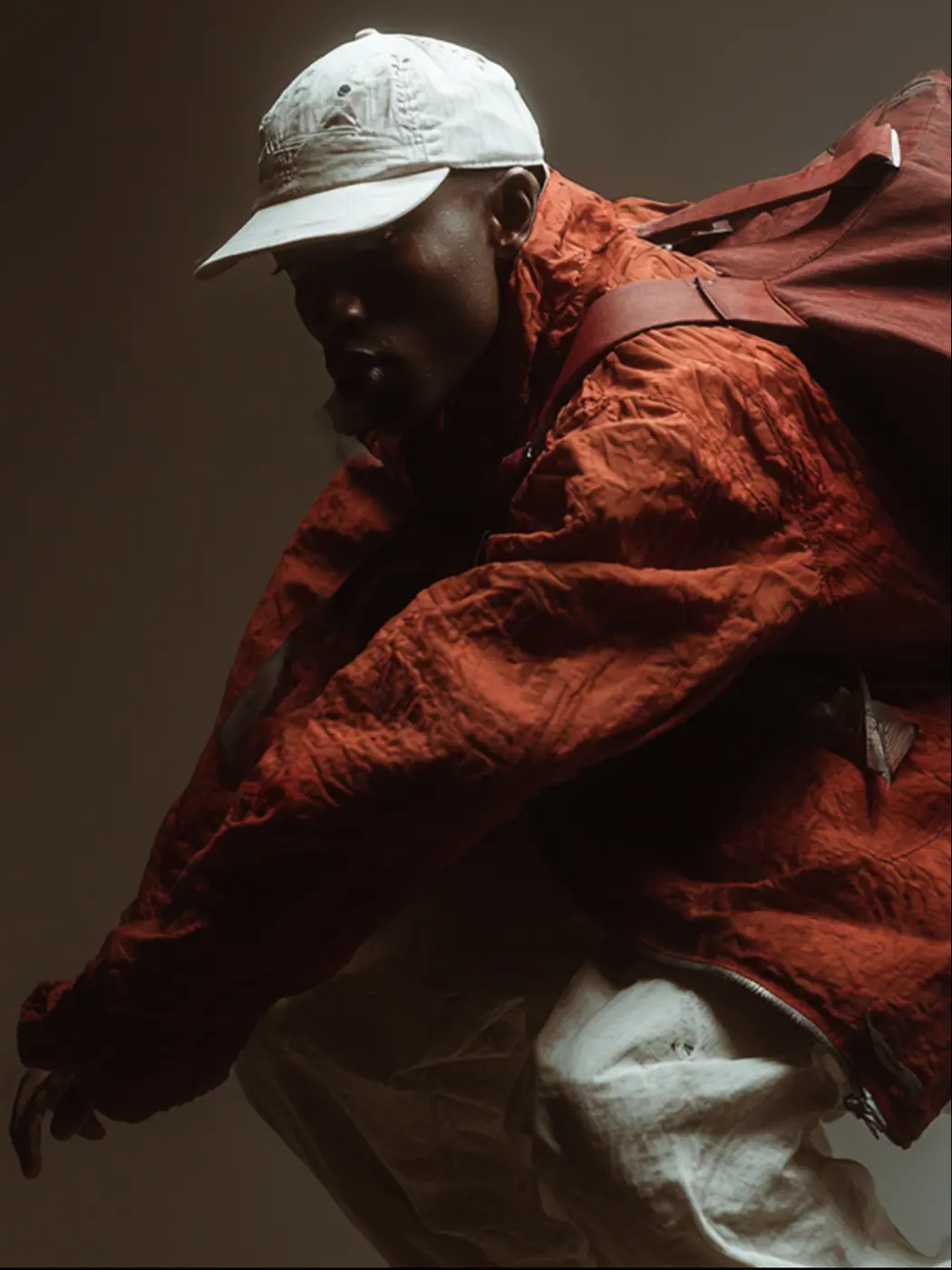
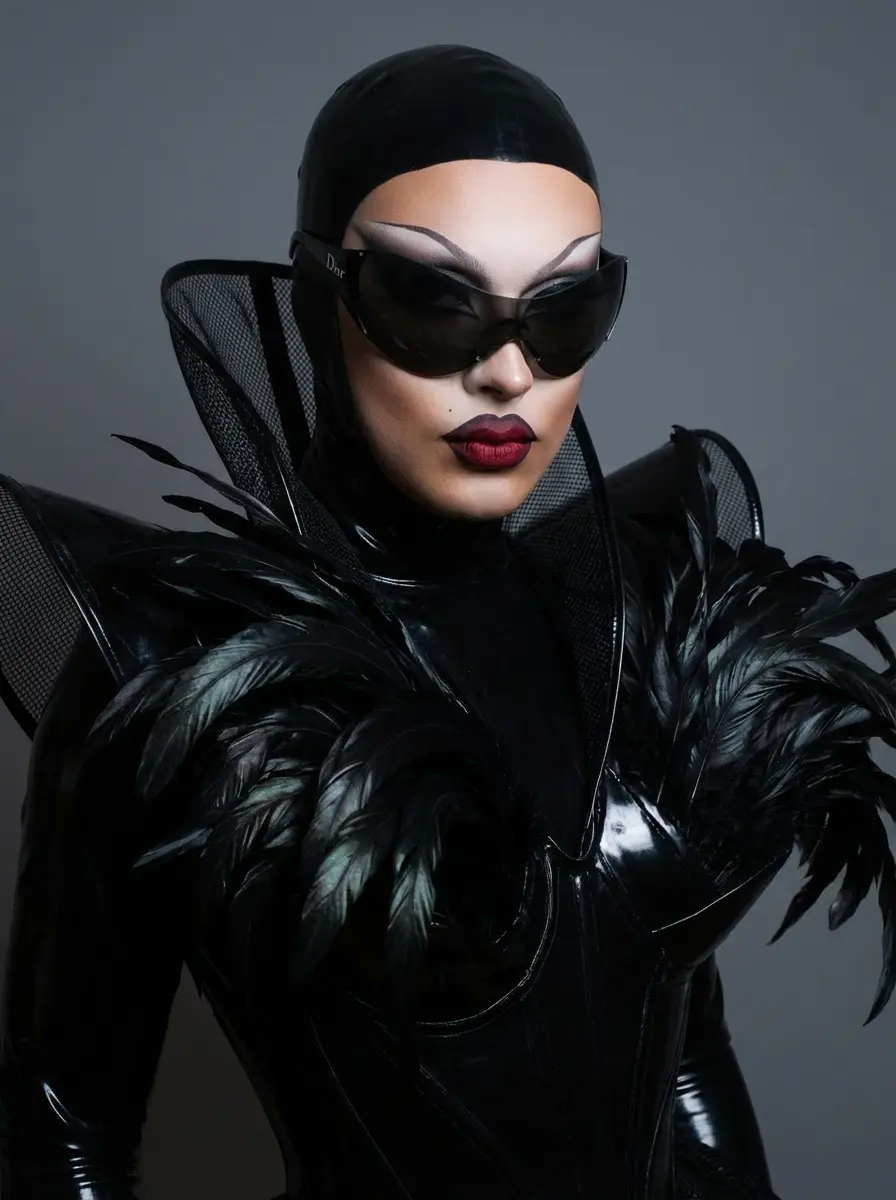
Nine of them. The rest of the work is here.
And two things nobody briefed
A studio that only ever makes other people's things never has to live with a decision past the invoice. So we ship our own, and they are the part of the practice that argues back.
ODDs is an anonymous voice-chat app — ZeroFear®, liberate the lonely — in active development and on Google Play. The Pearl Edition is a Sri Lanka travel editorial, written and photographed as a publication rather than a brochure. Neither was briefed by anybody. They are where the pipeline gets tested on something that has to hold up over months instead of a campaign cycle.
The part we cannot show
Some of the work does not appear here and will not. Pre-launch product, campaigns still in market, a few things we are not free to name. A normal condition of the job rather than a tease, but it does mean what is on this site is not the whole picture.
What it costs
There is no rate card, and the reason is not coyness. Two films that look the same length in a deck can be a week apart in actual work, and almost all of that difference sits in one place — whether something has to stay itself from shot to shot. A character who must be recognisably the same person in nine frames is a different job from nine beautiful unrelated ones, and no tier on a price list can tell those apart.
One number is worth publishing, because it saves everybody a meeting. Projects start at US$15,000. Below that we are the wrong studio, and we will say so and point you somewhere sensible rather than take the work and do a thin version of it.
You may have read that an AI spot can be made for two thousand dollars. One was — by one person, in three days, with no character to hold. We wrote about what that number does and does not mean. It is a real figure for a real spot. It is not a price for a brand film, and anybody quoting it as one is selling you the fast part and leaving out the rest.
If you want to start something
Tell us what the film has to do rather than what it should look like, and whether anything in it has to stay itself. Those two answers set the whole shape of the job. The contact page is here, and a brief does not need to be long — we wrote a short guide to what actually helps.