Before sillyhumans
Twelve projects made at Publicis, DDB, Leo Burnett and BBDO, before this studio existed — and what fifteen years of briefs with no budget has to do with a pipeline that works in days.
sillyhumans is a few years old. The judgment behind it is not. Before the studio existed there were fifteen years at Publicis, DDB, Leo Burnett and BBDO, across Singapore, Bangkok and Colombo — a mosquito-repellent newspaper, a rainbow highlighter, a device bolted to a motorbike exhaust to clear a path through dengue season.
None of that work was made by this studio, and we are not going to pretend otherwise. It is worth writing down anyway, because it is the honest answer to a question any brand is entitled to ask of a studio that promises a film in days: where did the thinking come from, and how do we know it travels?
Twelve projects, four agencies, three countries. Here is what they have in common, and what that has to do with a pipeline that did not exist when they were made.
Publicis, Singapore
Six years, mostly public health and fast food — two categories where nobody is waiting to hear from you. The Health Promotion Board work is the part that still holds up. Trust No Tongue started from a fact that sounds like a party trick and is actually a health problem: most Singaporeans believe they can taste when food is too salty, and they cannot. The country eats close to twice the sodium it needs. The film plays that discovery as a whodunnit, nodding to Straits food culture and old gangland cinema, because a chart would have been ignored.
HIV doesn’t differentiate ran on one uncomfortable line — your relationship status is not a defence. In a society still shaped by conservative values, making the risk feel universal was the only way to get past the stigma and have the conversation at all. You’re not alone went at teen suicide from the side: the people most likely to notice early are not clinicians, they are friends and siblings and classmates, so the work taught them what the warning signs look like.
Then McDonald’s, which is the opposite brief — a brand nobody needs introducing. At the height of COVID-19 the Big Mac box was redesigned, not to shift more burgers but to thank frontline workers: a tribute printed on the one object already in a million hands. Alongside it, brand platform and messaging work, and with Huawei, films and social built for a feed that forgets in a day.
DDB, Singapore
Two product ideas rather than two campaigns. Both put a physical object into someone’s hands and let it carry the argument.
Face to Face was an app for parents of autistic children, built around a shared two-way screen and a mirror keypad, turning solo screen time into face time. It was tested for six months with autistic children rather than shipped on a hunch.
80%
of the children in the trial showed significant engagement, and every parent reported a positive result. Six months of testing before anyone called it finished.
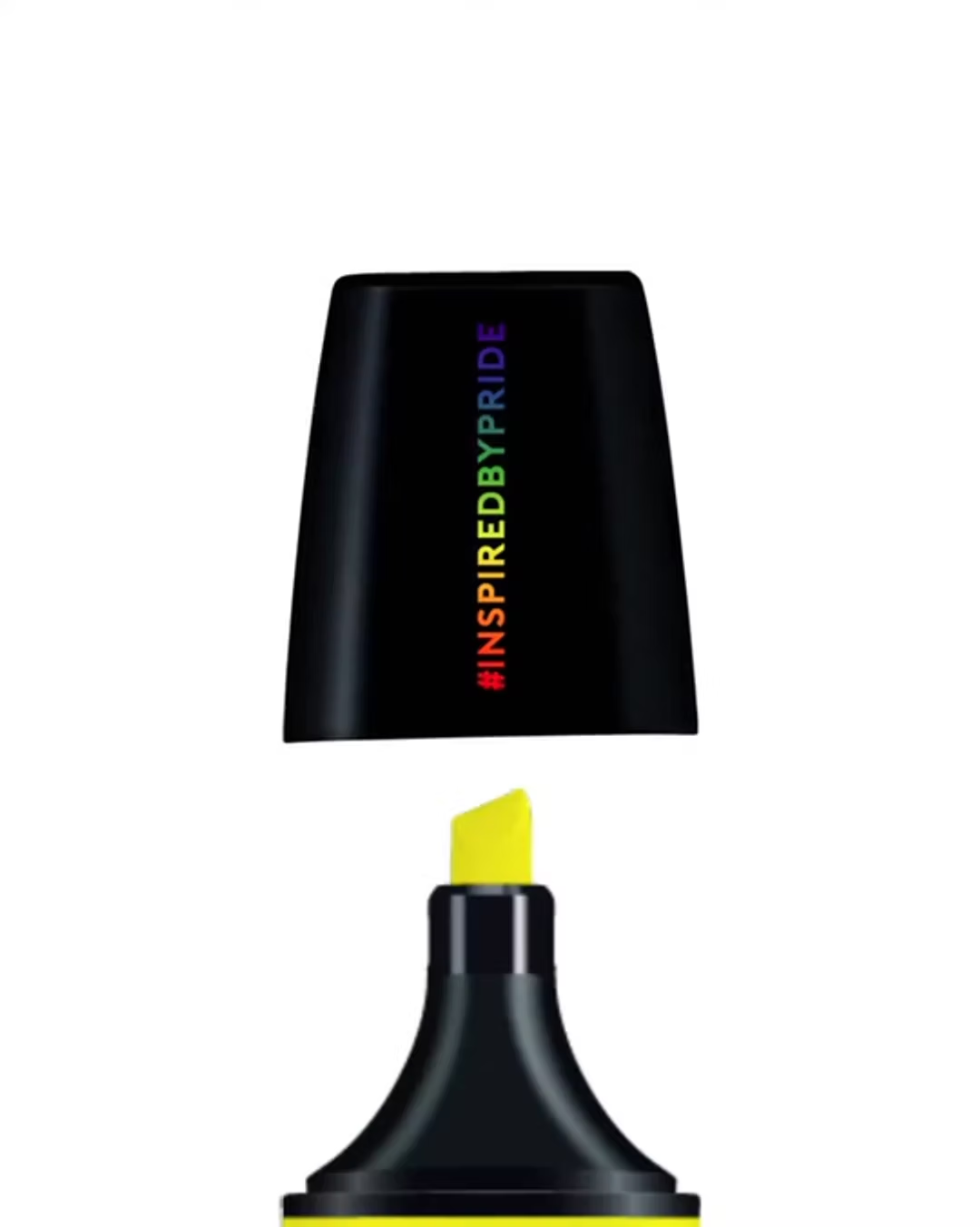
#InspiredByPride was the world’s first rainbow highlighter — a piece of stationery that could sit on a desk in a classroom and say something without its owner having to. No media buy. The object was the media.
Leo Burnett, Colombo
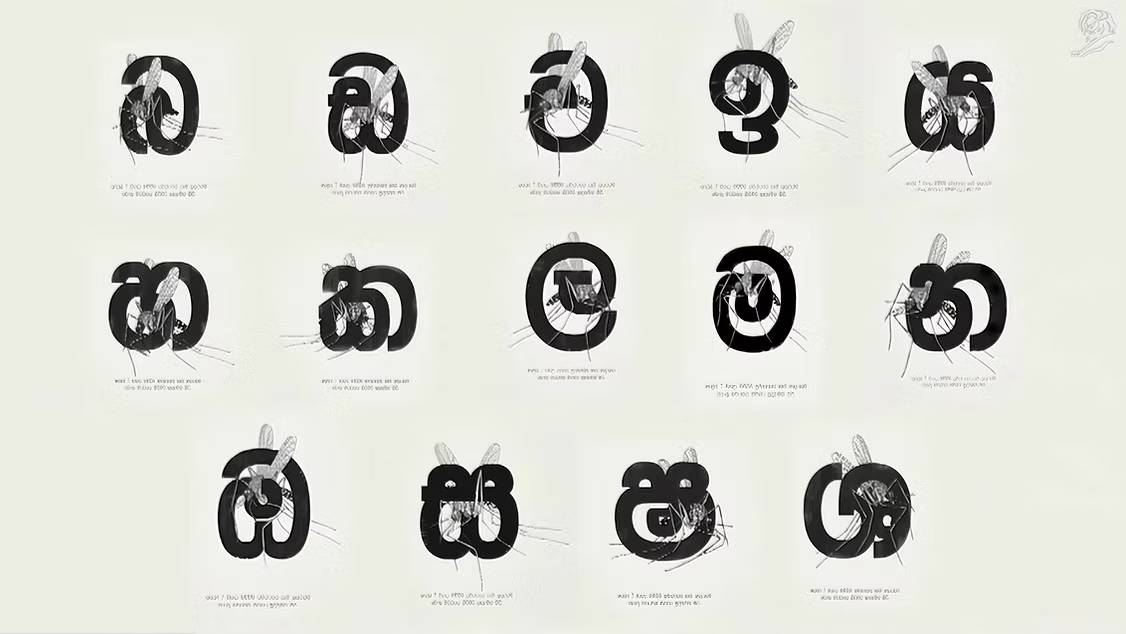
Two newspapers, both of which made the paper itself do the work rather than the words printed on it. During a dengue outbreak, Mawbima printed the world’s first mosquito-repellent newspaper, its pages infused with citronella ink. The National Dengue Week edition sold out by ten in the morning.
300,000
extra readers on a newspaper that worked as a public-health device. Print, doing something a banner could not.
Unity Paper came out of a harder place. After decades of civil strife, the Sinhala and Tamil New Year offered a rare shared moment, and for one day ADA ran both languages side by side on the same page. One edition, one gesture, no campaign around it.
BBDO, Bangkok
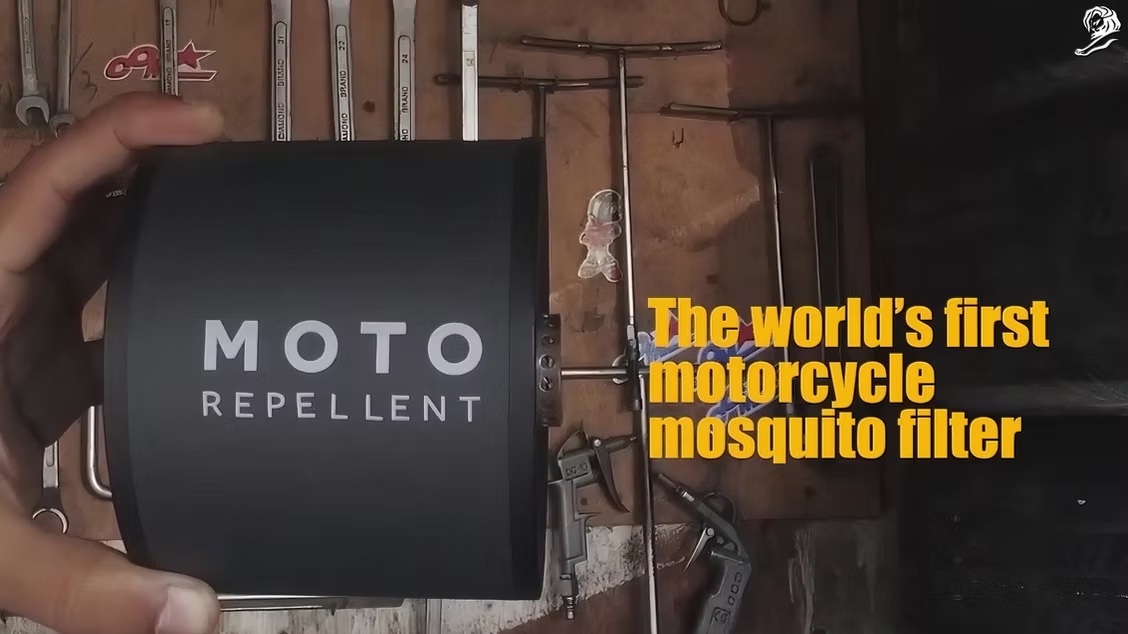
Thailand recorded a 207 per cent surge in dengue in 2015. MotoRepellent answered it with engineering rather than a message: a small non-toxic device fitted to a motorcycle exhaust, where engine heat released a protective oil and cleared a three-metre mosquito-free zone as riders moved through the city’s most crowded districts. The most common form of transport in Bangkok became a moving piece of public health.
And Pepsi, which needed none of that — films, out-of-home and print on a trend-driven cycle, made to be loud and to keep being loud.
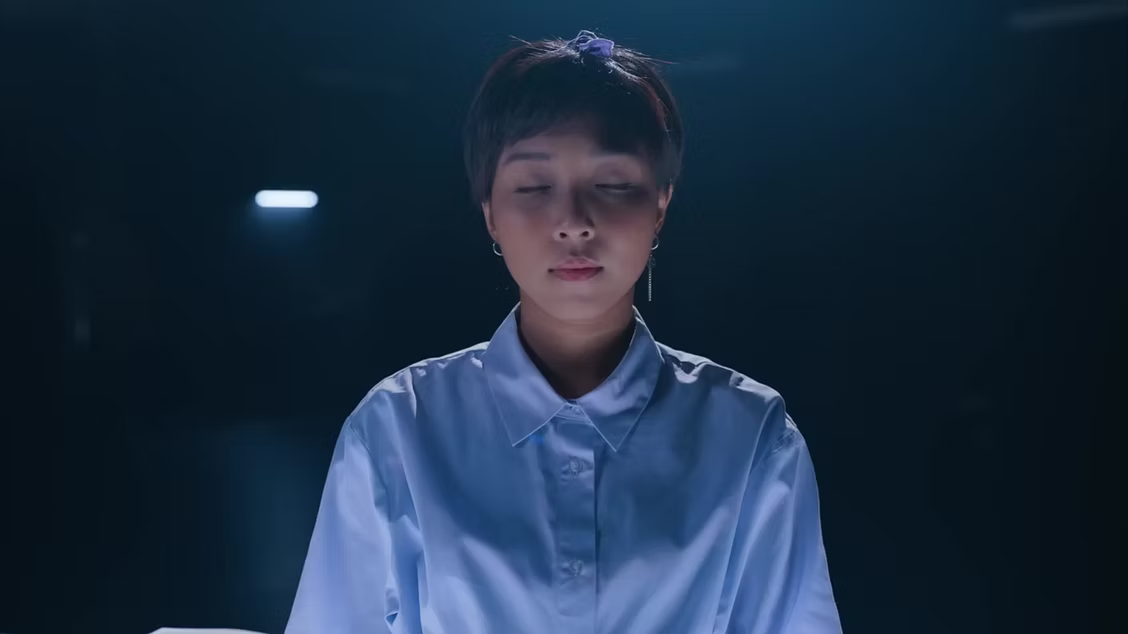
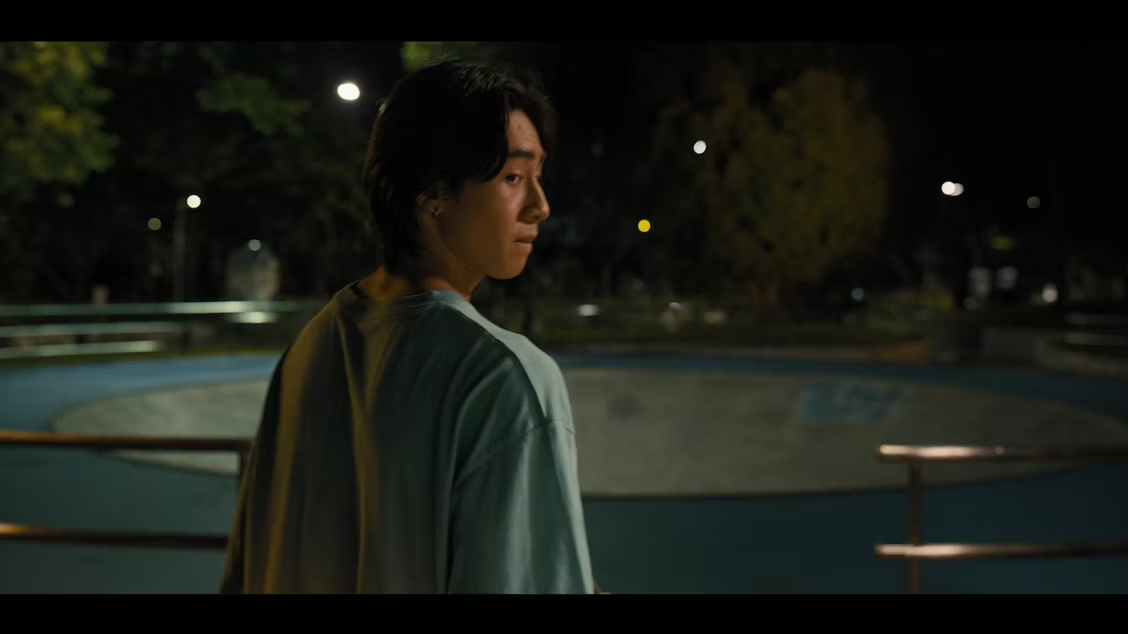

Nine of the twelve. The studio’s own work is here.
What it has to do with AI
Every project above was made by people, slowly, with crews and budgets and lead times measured in months. We now make films and images with AI in days, at a fraction of what a shoot costs. It would be easy to read that as the old work being made irrelevant by the new tools. It is the opposite.
Look at what those twelve have in common. Almost none of them were won by the execution. A newspaper that repels mosquitoes, a highlighter that prints a flag, a box that says thank you — the idea arrives first and the craft serves it. Most had no film budget at all. They worked because somebody decided what was worth making before anyone started making it.
The tool changed. The order did not.
That is the part a model cannot hand you. Generation is now cheap enough that the expensive step has moved: it is no longer shooting the idea, it is knowing which of the five ideas in front of you is the one. Fifteen years of briefs that had to work without a budget is a reasonable way to learn that, and it is the reason the speed is worth anything at all.
The work on this page belongs to the agencies named beside it. What came out of it belongs here.